
“Empowering Industries with Advanced Adsorbent Solutions for Maximum Efficiency and Sustainability.”
A wide range of adsorbents can effectively purify gas and liquid streams. To remove oxygenate and polar compounds, such as water, CO2, NH3, olefins, or other components, molecular sieve families are recommended. Bi-metal types are ideal for removing metals like mercury, arsine, phosphine, and other ion metals from different oil cuts. For chlorine compounds, both bi-metal types and double bed with zeolite are recommended. Bimetal types are also suitable for achieving low concentrations (ppm) of sulfur removal. To eliminate olefins and di-olefins from hydrocarbon streams, natural molecular sieve clay is often practical.
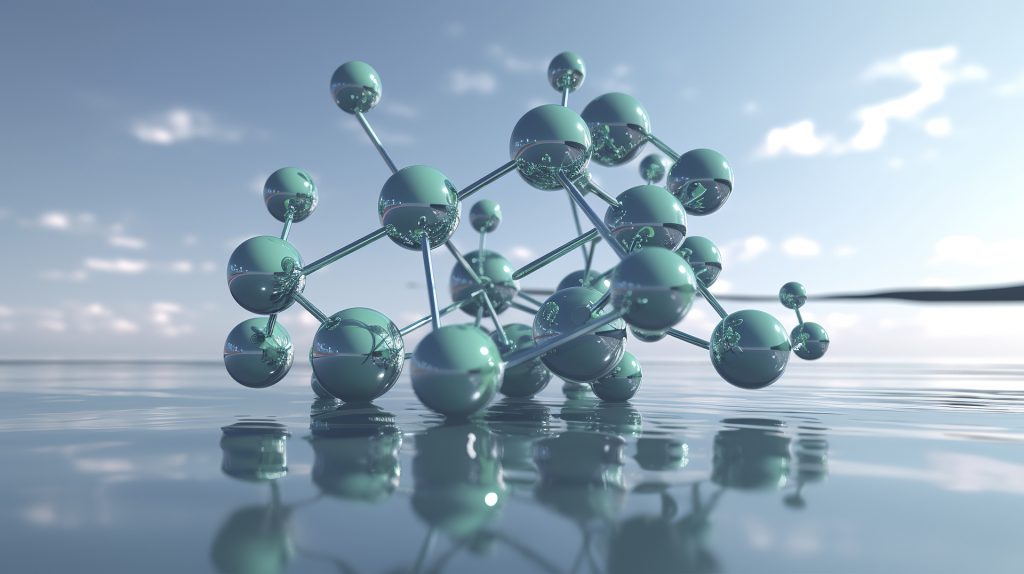
Molecular sieves are crystalline, porous materials known for their exceptional ability to separate and purify gases and liquids. They are often made from natural or synthetic zeolites and exhibit unique adsorption properties.
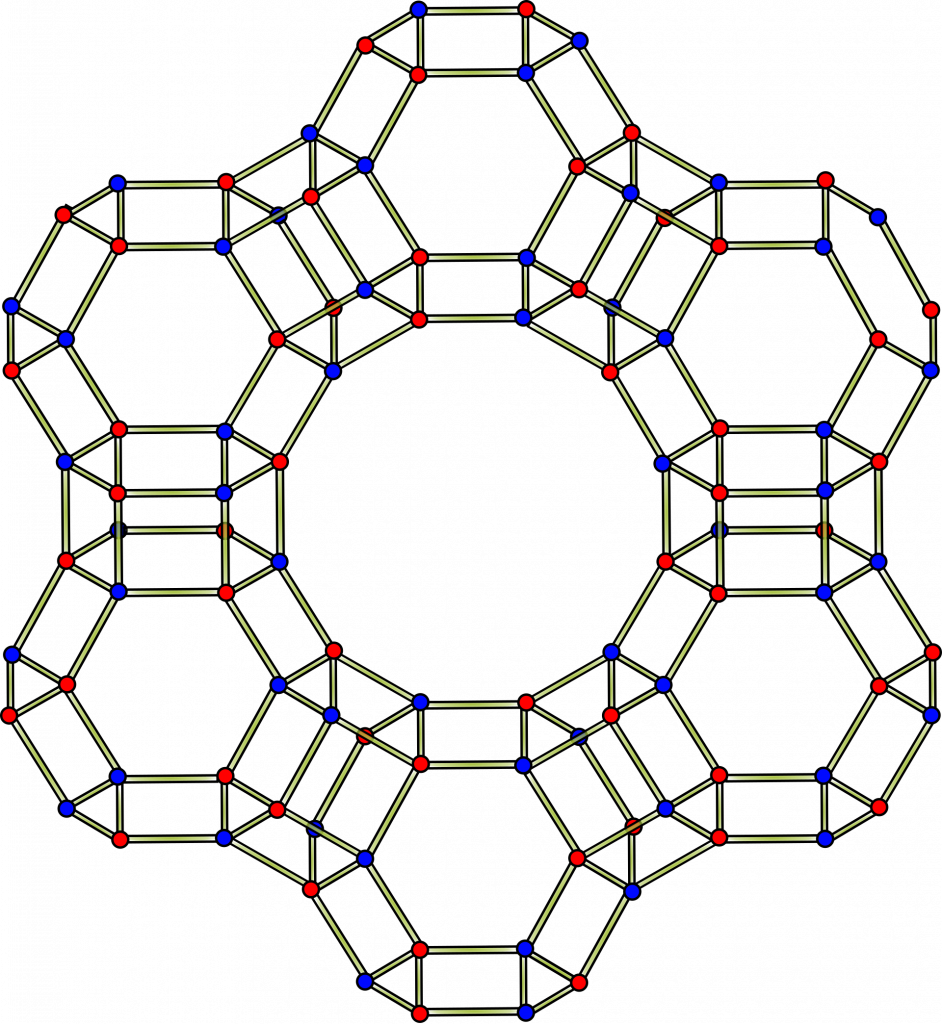
Types of Molecular Sieves
There are several common types of molecular sieves, including 3A, 4A, 5A, and 13X.
• 3A Molecular Sieve: With a pore size of approximately 3 angstroms, 3A molecular sieves are often used for drying gases and liquids, as well as the removal of small molecules like water.
• 4A Molecular Sieve: With a larger pore size of around 4 angstroms, 4A molecular sieves can adsorb molecules like water, ammonia, and carbon dioxide.
• 5A Molecular Sieve: Featuring a pore size of approximately 5 angstroms, 5A molecular sieves can separate normal paraffins from isoparaffins and other hydrocarbons.
• 13X Molecular Sieve: With the largest pore size of about 10 angstroms, 13X molecular sieves are particularly effective in air separation and the removal of larger molecules.
Anthracite is a reliable filter media with high carbon content and low impurities. It is cost-effective, durable, and reduces backwash cycle time. With a low uniformity coefficient, it extends the filter’s lifespan and maintains flow rates, even with variations in effluent turbidity.
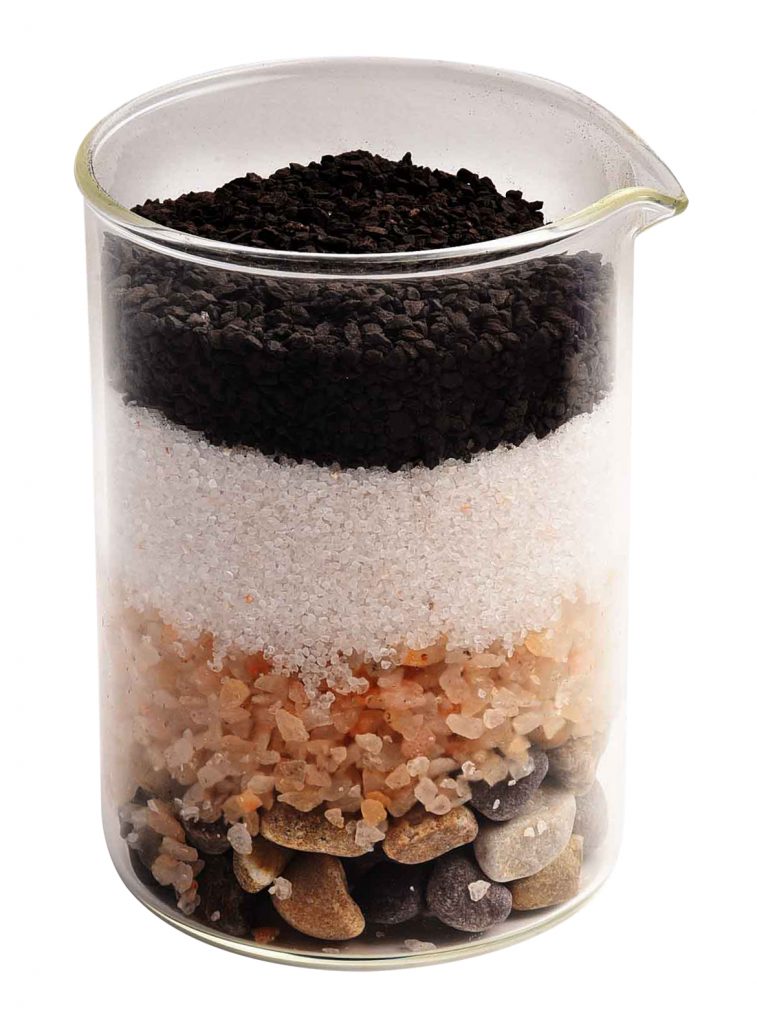
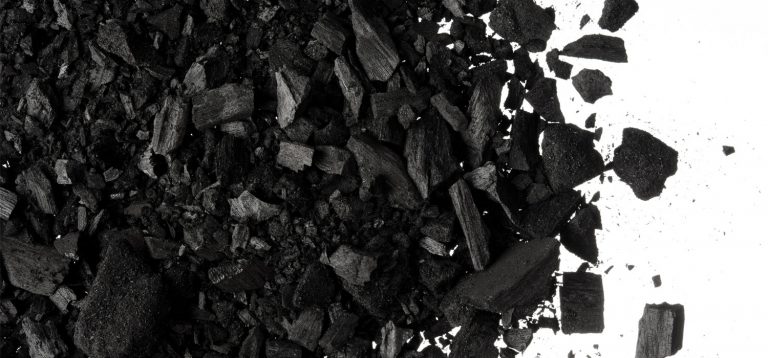
Activated carbon is employed to capture toxic air pollutants from diverse sources like petrochemical plants, landfills, manufacturing operations, and chemical processing facilities. This is accomplished by impregnating activated carbon with specific chemicals to achieve selective adsorption.
In addition to its effectiveness in air purification, activated carbon is also an ideal solution for treating water and liquid waste that contains a range of organic and inorganic pollutants in municipal, industrial, sewage, and process liquid treatment. It works by adsorbing these pollutants from the waste in a liquid phase, making it an optimal purification solution.
• Granular activated carbon – Ideal for water and wastewater treatment purposes.
• Powdered activated carbon – It is perfect for treating specific trace synthetic chemicals.
• Extruded activated carbon – It is used for de-chlorination and chemical removal.
-SILICA GEL, TYPE H SILICA GEL FOR HYDROCARBON DEW POINT CONTROL IN NATURAL GAS COMPOSITION.
-Mainly used for separating light hydrocarbon from natural gas, the product can reduce the dew point Of hydrocarbon to produce natural gas
-gasoline, drying natural gas at the same time. Add 20 wt%HY-W as the protective layer if water drip exits in the separation system. In addition,
-it can be used as a common dryer, catalyst, and its carrier,variable-pressure adsorption separation agent PSA).As variable-temperature
-adsorption separation agent(TSA)at higher temperatures,it performs especially suitable.
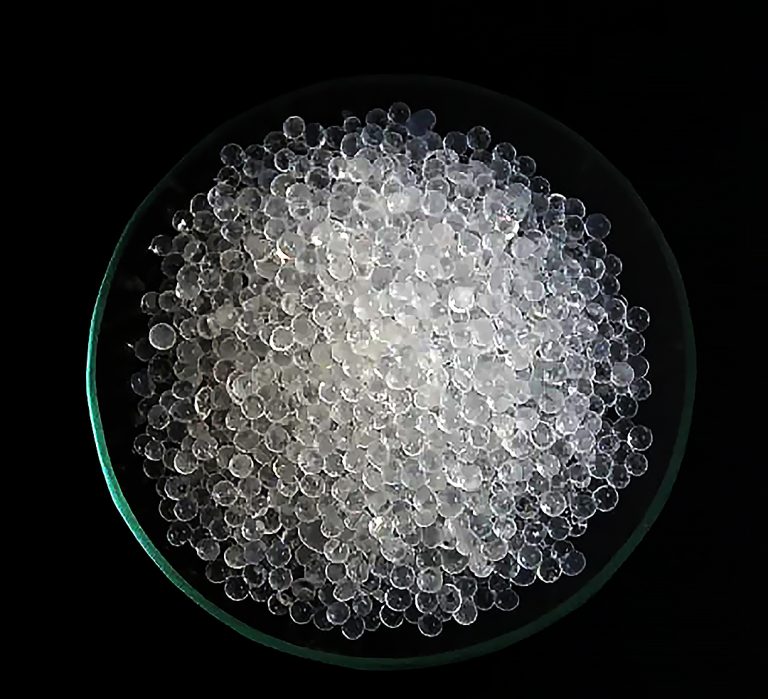
-SILICA GEL, TYPE WS FOR WATER DEW POINT CONTROL
-It is mainly used as a drying agent for air-separation, compressed air dryers, and industrial gases, Natural gas dryers for controlling water dew point.It is recommended a layer of about 10-20%(wt) should be consider as protective layer in order to increase the reliability of the system