
R&D / TECHNOLOGY

Advancing Materials Through Knowledge and Development

Our R&D efforts focus on developing innovative materials and process solutions that address real industrial challenges and support a more sustainable future.

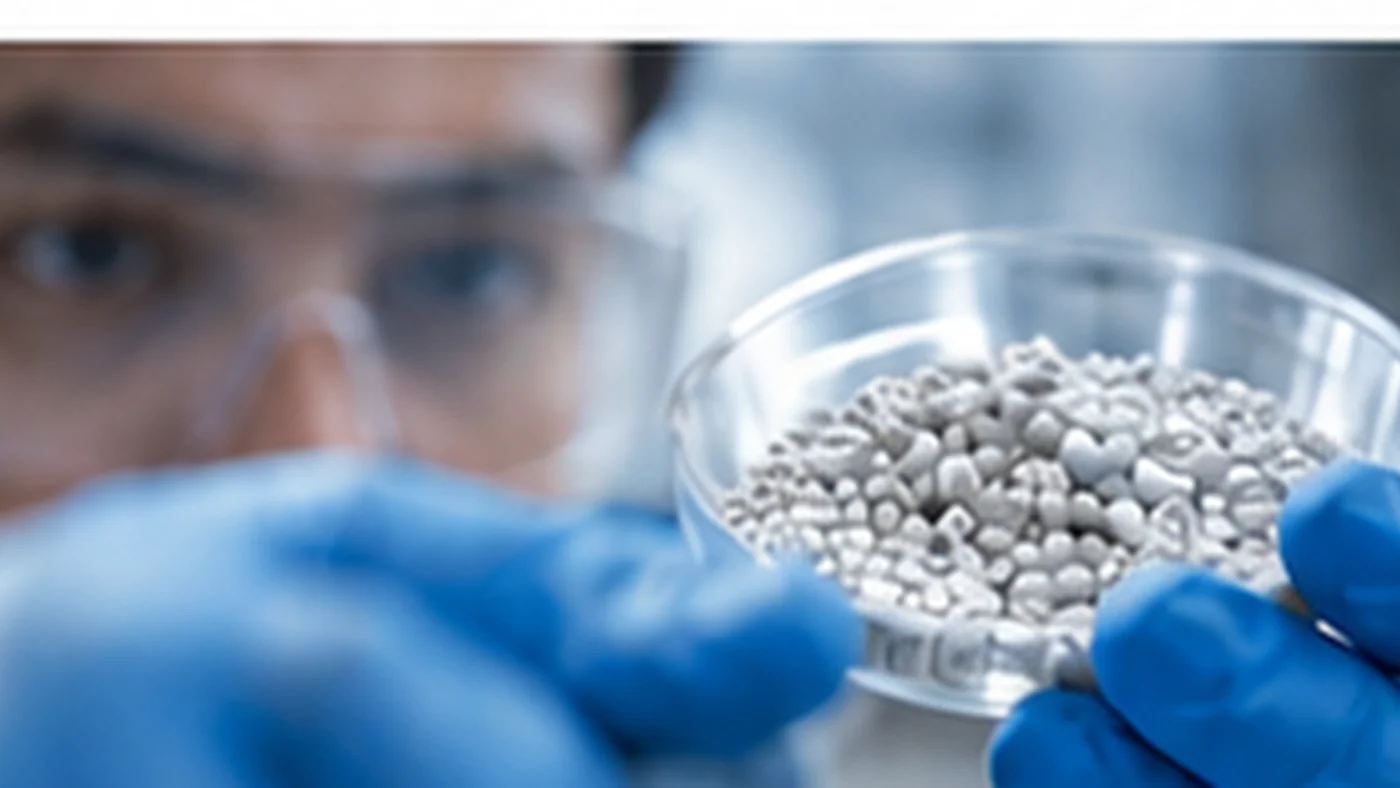
Laboratory analysis of catalyst materials

Focused on Real Industrial Requirements

Material and process problems in this industry are specific: a feed, a unit and a downstream specification decide what will work, and a solution that fits one plant can be the wrong answer in the next. Development work is therefore organised around the requirement in front of it.

The work covers catalysts, adsorbents and process materials, and it is assessed technically — against the operating envelope the material will actually see — before it is proposed.

Development Approach

Four steps, in the order they happen on a real requirement.

  1. Understand the Requirement

    The process, the unit and the downstream specification that decide what the material has to achieve.

  2. Develop or Evaluate the Material Approach

    Matching a material, a grading and a protection strategy to the duty, or evaluating an existing one against it.

  3. Technical Assessment

    Confirming the combination against the reactor, the internals and the operating envelope it will run in.

  4. Support Industrial Application

    Support through loading and unloading planning, monitoring after start-up and the technical questions a cycle raises.

Technical Capability

Knowledge areas the published material describes, grouped for reading rather than claimed as separate departments.

Catalyst Development

Hydrotreating duties across naphtha, kerosene and gas oil cuts, where the feed, the unit and the product specification decide the selection.

  • Activity, selectivity and cycle length considered together
  • Physical form and bed design, which set pressure drop and mass transfer
  • Grading and protection layers for the main catalyst

Adsorbent & Silica Gel Materials

Industrial silica gel grades for drying and purification duties, selected against the stream rather than the name.

  • H-Type, WS-Type, A-Type and Blue Silica Gel
  • Surface area and pore size distribution, which decide access and capacity
  • Regeneration behaviour under the conditions the bed will see

Process & Technical Engineering

Technical work that starts with process data and ends with a specification the unit can actually run.

  • Process data review and the design basis
  • Reactor, internals and operating-envelope constraints
  • Design and revamping discussions where the unit is the limitation

Lifecycle Technical Support

Support through the parts of a cycle where technical input has a measurable effect.

  • Loading and unloading planning
  • Monitoring against the original design basis
  • After-sales continuity across cycles

From Development to Product Application

Development work and the catalogue are two ends of the same activity: the material families on the catalogue are supplied for the duties described here, and a catalogue entry is only a starting point until the process data behind it is known.

Explore Products

Discuss a Technical Requirement

Share your requirements with our team to start a technical or commercial discussion.

Talk to Our Technical Team