A-Type Silica Gel
General-purpose silica gel for bulk drying and purification across a broad industrial operating window.

PRODUCT PORTFOLIO
Explore Sarv Catalyst’s portfolio of materials developed for refinery, petrochemical and industrial process applications.
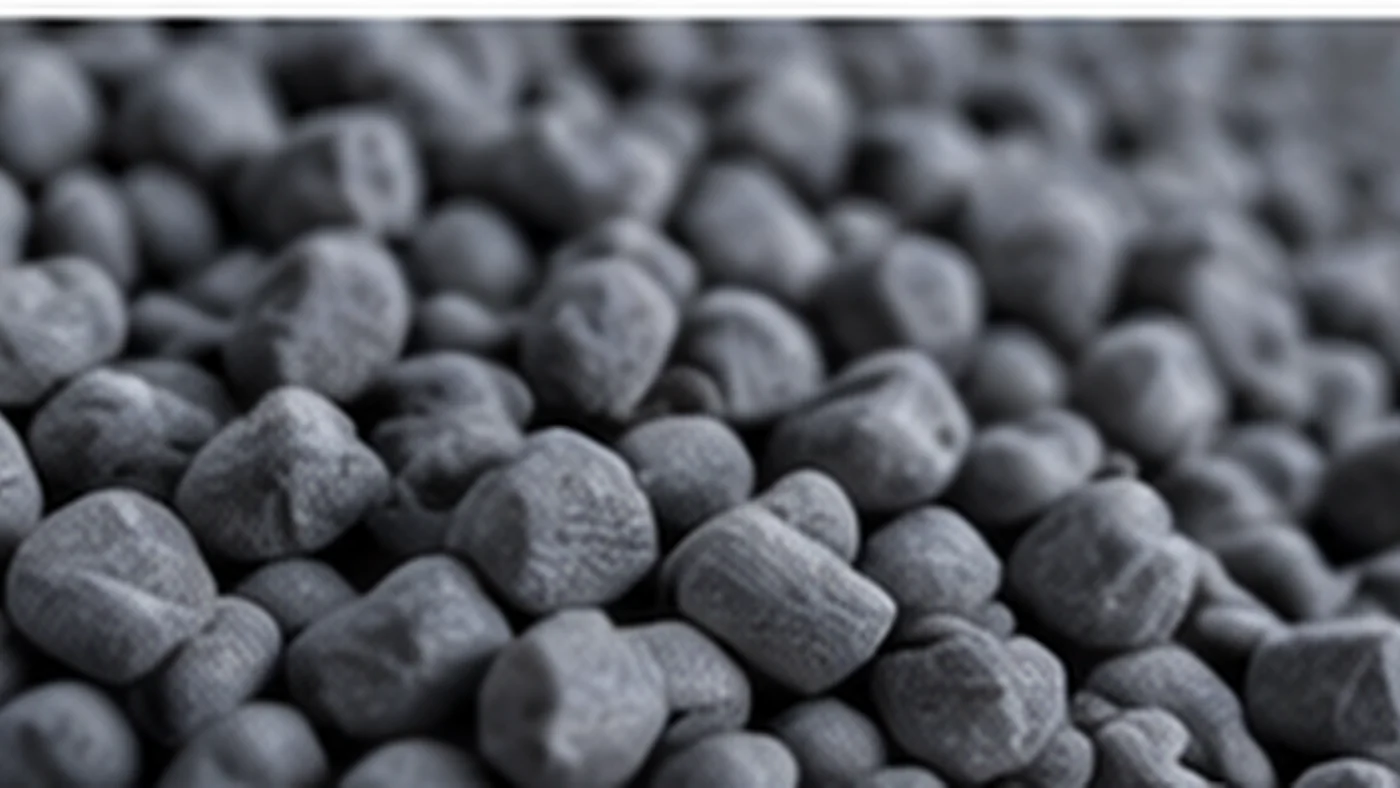
General-purpose silica gel for bulk drying and purification across a broad industrial operating window.
Indicating silica gel whose colour change shows how far the bed has moved towards saturation.
Full range naphtha hydrotreating catalyst treating the whole naphtha boiling range in one unit.
Combined gasoline and kerosene hydrodesulfurization catalyst covering both boiling ranges in one processing route.
Gasoline hydrotreating catalyst for sulfur removal from the gasoline cut.
Fine-pored, high-surface-area silica gel with strong water affinity, used where a very low residual moisture level is the priority.
Heavy naphtha hydrotreating catalyst for the heavier fraction, where protection of the reforming catalyst is critical.
Hydrodesulfurization catalyst for sulfur removal from a defined stream at application-set conditions.
Kerosene hydrotreating catalyst for sulfur and nitrogen removal from the kerosene cut.
Light naphtha hydrotreating catalyst for very low residual sulfur and nitrogen ahead of isomerisation.
Naphtha hydrotreating catalyst covering the naphtha boiling range ahead of reforming.
Coarse-pore silica gel whose more open structure improves access and eases regeneration where heavier molecules are present.
GUARD BEDS
A guard bed is not a catalyst in the usual sense. It sits at the inlet of a hydrotreating reactor and takes the damage the main catalyst would otherwise take, so that the material doing the work keeps its activity for as long as the cycle needs it to.
It works in two ways at once. Physically it traps the particulate and the scale that would otherwise deposit on the catalyst surface and raise the pressure drop across the bed; chemically it adsorbs the metal contaminants — iron, arsenic, nickel and vanadium — that poison an active site permanently and cannot be regenerated out.
The economics are the reason it exists. Sacrificing a small volume of cheap, replaceable material at the inlet protects the much larger volume of catalyst behind it: the run length extends, the number of shutdowns falls, and the cost of a catalyst replacement — which is the material, the labour and the lost production — is paid less often.
Two mechanisms, one bed
The bed is designed against both at once: the void structure and the crush strength handle the solids, and the surface chemistry handles the metals.
CONTAMINANTS
The metal contaminants a guard bed is specified to catch before they reach the hydrotreating catalyst.
Fe
As
Ni
V
OPERATING EFFECT
The reasons an operator pays for a guard bed rather than for more catalyst.
Longer catalyst life in the main bed.
Lower catalyst replacement cost per cycle.
Fewer unplanned shutdowns for a bed change.
Stable pressure drop across the reactor.
SERIES
The guard bed series and the hydrotreating duties they protect. The catalyst chemistry decides what a series is specified for: CoMo for hydrodesulfurization, NiMo where hydrodenitrogenation matters as well.
| Series | Catalyst chemistry | Duty |
|---|---|---|
| SGC0 | Guard bed | Inlet protection for the hydrotreating bed behind it. |
| SHT13 | CoMo / NiMo | Hydrotreating duty, specified by the feed and the target. |
| LNHT | NiMo / CoMo | Light naphtha hydrotreating. |
| HNHT | NiMo / CoMo | Heavy naphtha hydrotreating. |
| FRNHT | NiMo / CoMo | Full-range naphtha hydrotreating. |
| KHT | CoMo / NiMo | Kerosene hydrotreating. |
| GHT | CoMo / NiMo | Gasoline hydrotreating. |
| HDS | CoMo | Hydrodesulfurization for a specified stream. |
| GKHDS | CoMo / NiMo | Gasoline and kerosene hydrodesulfurization in one route. |